

EVERYTHING YOU NEED TO KNOW ABOUT A CREATINE SUPPLEMENT
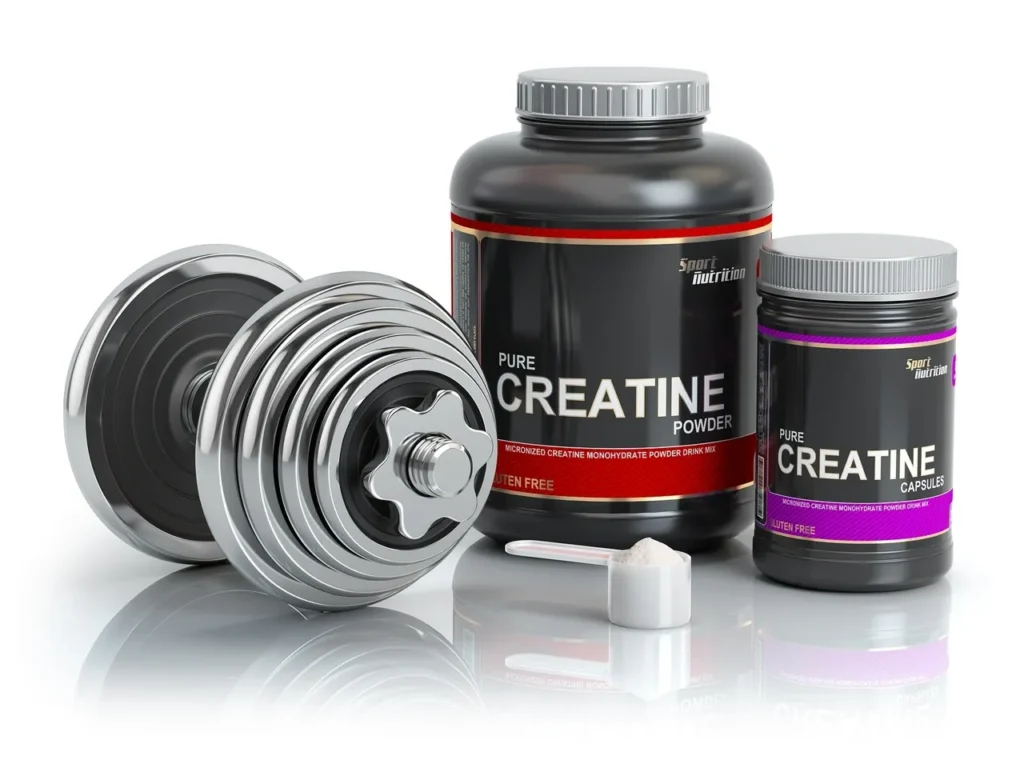
Of all the muscle-building supplements on the market, creatine is the most well-researched and effective supplement. Hundreds of scientific studies have been published on this supplement, and in almost every study, it was found to be the most effective supplement in muscle building. However, there are still some controversies around the usage of creatine supplements. People often link creatine usage to hair loss, kidney damage, water retention, and cancer. Is there any reality in these claims? Before moving into the research studies on creatine supplements, I want you to understand what creatine is and how it functions in our body?
Creatine is a molecule produced in our body from amino acids. Most of it is made in the liver and produced in our kidneys and pancreas. Creatine’s primary function is ATP’s regeneration, which is the primary energy carrier in our body. Creatine-generated ATP help in the performance of high-intensity activities lasting less than 10 seconds. It can be found in meat, egg, and fish, but creatine supplementation is recommended for optimum performance.
Benefits of creatine
1. Creatine monohydrate increases creatine stores in our body, especially in our muscles. The more creatine our muscle has, the more ATP they will produce. An increase in ATP is directly linked to increased performance.
2. Creatine enhances muscle growth by holding water in muscle cells. It makes our muscles look bigger and creates a positive nitrogen balance. Positive nitrogen balance is related to muscle building.
3. Some research suggests that creatine has anti-catabolic properties, which further help in muscle building.
4. A meta-analysis of more than 100 studies found that creatine supplementation can increase strength and power output by 20% and 26%, respectively.
5. Creatine monohydrate can increase overall body weight due to water retention in our muscles and liver cells. However, the degree of the increase can vary according to an individual’s response to creatine.
6. Some research studies found that creatine can increase anaerobic running capacity, but the improvement was minimal.
7. Creatine supplementation may increase cognitive performance and memory; however, we need more research on these areas.
Is creatine safe?
I encounter this question whenever I recommend this supplement to someone. Most of the claims regarding the safety of creatine are unfounded. If taken without sufficient water intake, creatine can cause stomach cramping. Some people may suffer from diarrhea and nausea if too much creatine is taken at once. That is why it is recommended to spread out the creatine intake throughout the day. Some link creatine intake to hair loss, kidney damage, and cancer. Let’s see what science has to say about all these claims-
Is creatine safe for your kidneys?

Concerns have been raised regarding the adverse effect of creatine on kidney damage. Why has kidney damage been linked to creatine use? As we know, our liver produces creatine, so to ingest that creatine, our muscles and brain need to transform this creatine into phosphocreatine. And when we use these stores to regenerate ATP, one of the end products is creatinine.
Our kidneys are responsible for excreting creatinine from our bodies. When our kidneys do not function well, the creatinine level increases in our blood. The normal range of creatinine is 0.7-1.3mg/dl for men and 0.6-1.1 for women. So if your blood creatinine level is higher than this normal range, it is assumed that your kidneys are not working well.
However, this normal range does not apply to highly active people who carry greater muscle mass because more than 90% of creatine is stored in our muscles. More muscles mean more creatinine production. Also, if your diet includes animal protein, your creatinine level will be higher than vegetarian people. Supplement creatine also increases the creatinine level in your blood. Let’s see what science has to say about this;
- People with healthy kidneys– Long-term creatine use is completely safe if your kidneys function well. All the research studies have proven that, yes, creatine supplementation increases the creatinine level in your body, but this does not indicate kidney damage. Both long and short-term studies have found no adverse effect of creatine supplements on kidney function. Healthy adults can easily take up to 10 grams of creatine/per day without worrying about any adverse effects. However, even 20 grams/day causes a slight increase in creatinine levels. So it is completely safe to take creatine if you are a healthy individual with healthy kidneys.
- People with kidney issues- A 2010 study conducted on an adult man with a single kidney found that 20 grams/day of creatine for 5 days, followed by 5 grams/day for 30 days, did not harm his kidney function. Another randomized controlled trial performed on diabetic patients with kidney issues found no decline in kidney functions from 5 g creatine/day for 12 weeks. However, all these studies were short-term, so we can not conclude that creatine supplement is completely safe for people with kidney issues. If you suffer from any kidney issue or have diabetes, you might need to forgo a creatine supplement or take a low amount of creatine, not more than 3 grams daily.
If you are worried about taking creatine, my advice would be to check your creatinine level before buying a creatine supplement.
Does creatine cause hair loss?
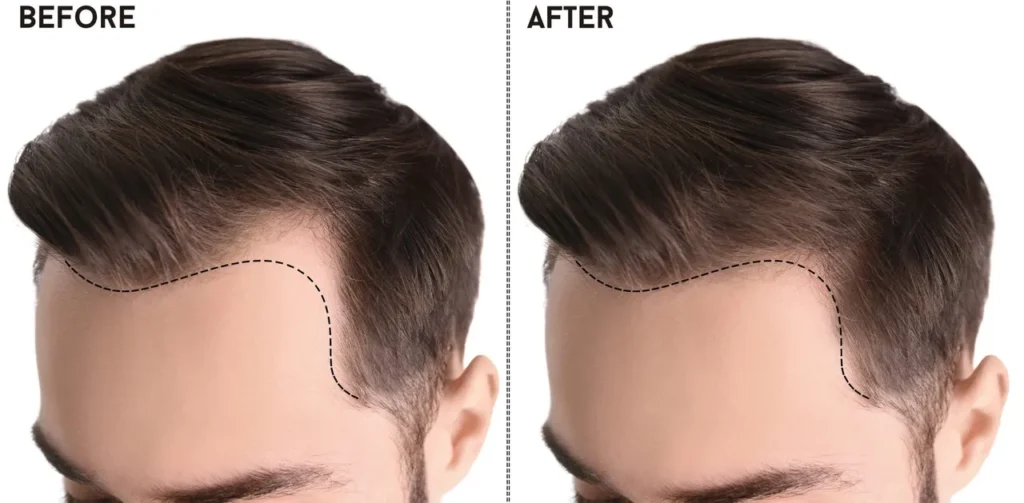
The second claim that is associated with creatine use is hair loss, especially in males. According to Michael Hull, senior research manager at examine.com, Creatine may cause hair loss in men, but in most cases, it doesn’t. Instead, the number one reason behind male pattern hair fall is increased DHT (Dihydrotestosterone) levels in the blood. DHT is an androgen that causes hair loss, particularly in males.
A 2009 study suggests that creatine supplementation may worsen hair loss. This study was conducted on 20 healthy adult male professional rugby players. They were divided into two groups- one group took a placebo, and the second group was given 20 grams of creatine per day for the first 7 days, followed by 5 grams/per day for 14 days. There was not much difference in the testosterone levels between both groups, but the DHT levels were increased significantly among the creatine group. This is the only randomized control trial that tested creatine’s effect on the DHT level.
Before concluding, it is crucial to understand that even though creatine increased DHT levels among adult males in this study, DHT stayed within the normal range. Therefore, even if creatine increases DHT, as long as your DHT levels are within a normal range, you won’t need to worry about hair fall. So, an increase in DHT due to creatine supplementation may or may not result in hair loss. Unfortunately, no study has been conducted so far that directly tests creatine’s effect on hair fall.
If you are already suffering from a hair fall, I would advise you to consult your doctor and check your DHT level before taking a creatine supplement.
Can creatine cause cancer?
No, no study links creatine use to any kind of cancer development. Furthermore, all the claims regarding this are not supported by scientific data. So, creatine is not only safe but even helps in the protection of DNA from oxidative damage.
How to take creatine safely?
So it is clear from the above research studies that creatine is completely safe to take apart from minor side effects. Now, the question is how and when to take it for maximum results? There are three types of creatine available in the market, but creatine monohydrate is the cheapest and most effective one. Some people recommend taking creatine in two phases-loading phases and then the maintenance phase. Although there is no harm in loading creatine, it does not produce superior results in the long run. Most studies suggest that “5 grams of creatine per day is optimal”.
I would recommend you take it after your workout. There are two reasons behind this-First,
Research shows that creatine intake with a moderate amount of protein and carbohydrates increases its effectiveness. Secondly, some research studies show that post-workout creatine intake is slightly better in increasing strength and power than pre-workout.
References
^ a b c van der Merwe J, Brooks NE, Myburgh KH. Three weeks of creatine monohydrate supplementation affects the dihydrotestosterone to testosterone ratio in college-aged rugby players. Clin J Sports Med. (2009)
^ Kreider RB, et al. International Society of Sports Nutrition position stand: safety and efficacy of creatine supplementation in exercise, sport, and medicine. J Int Soc Sports Nutr. (2017
Poortmans JR, Francaux M. Adverse effects of creatine supplementation: fact or fiction?.
Sports Med. (2000)^ Farquhar WB, Zambraski EJ. Effects of creatine use on the athlete’s kidney. Curr Sports Med Rep. (2002)
a b c d Pline KA, Smith CL. The effect of creatine intake on renal function. Ann Pharmacother. (2005)
^ Francaux M, Poortmans JR. Side effects of creatine supplementation in athletes. Int J Sports Physiol Perform. (2006)
Categories
Menu
Sign up for blog updates!
Join my email list to receive updates and information.
Recent Posts